Bocas Film Fest 2026 — Official Screenplay Review
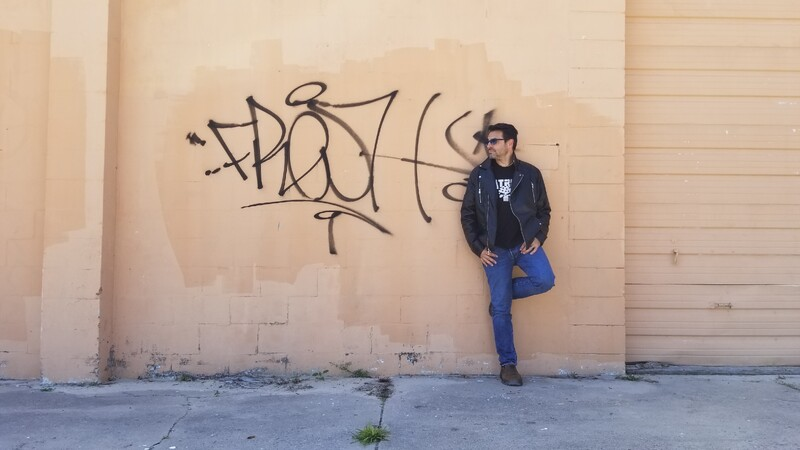
Writer: Charles Graudins (Chuck Fresh)
Genre: Christmas Fantasy / Dark Fantasy / Supernatural Horror
Bocas Film Fest Judges’ Average: 9.75/10
Christmas stories often revolve around kindness, generosity, family, and the belief that goodness will ultimately triumph over evil. But what happens when those familiar holiday traditions collide with ancient European folklore, supernatural punishment, and the terrifying possibility that Christmas itself might become a nightmare?
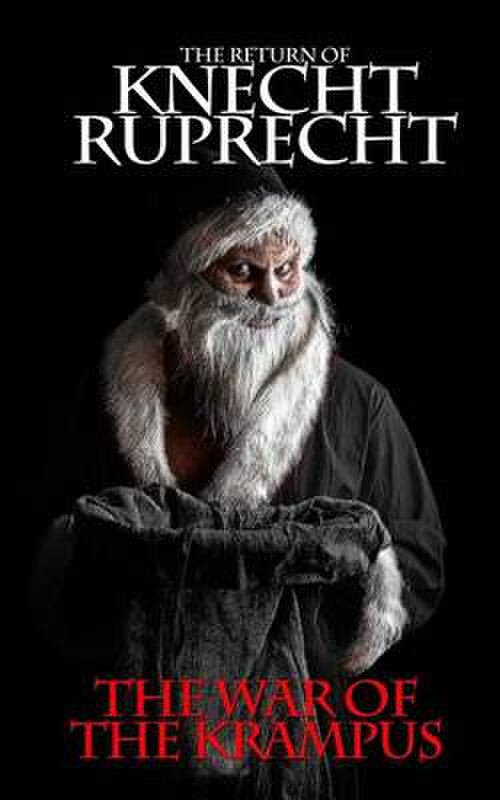
That is the fascinating premise behind The Return of Knecht Ruprecht, a screenplay written by Charles Graudins, better known as Chuck Fresh.
Set in Central Florida on a Christmas Eve when snow begins falling where it has absolutely no business being, the story takes three children on a supernatural journey that will challenge their character, their loyalty, and their understanding of right and wrong.
What begins as an unusual Christmas Eve quickly transforms into a dark fantasy involving mysterious doors, a Ferris wheel, ancient spirits, and the return of one of European folklore’s most frightening Christmas figures.
And at the center of it all is a simple but powerful question: When faced with temptation, will you choose what you want or what is right?
A Christmas Story With a Darker Side
One of the most appealing aspects of The Return of Knecht Ruprecht is its willingness to explore the darker traditions of Christmas folklore.
While modern audiences are accustomed to the cheerful image of Santa Claus rewarding well-behaved children, older European traditions often included supernatural figures who punished wrongdoing.
Knecht Ruprecht, traditionally associated with Saint Nicholas, represents that darker side of holiday mythology.
The screenplay builds upon those traditions while incorporating Krampus, another legendary figure associated with Christmas punishment.
Rather than simply presenting these characters as monsters, Graudins uses them as part of a larger supernatural test.
The story introduces three children, each with personal flaws and struggles.
Jack, only nine years old, is cautious and careful. Chance, ten, has a cruel streak, particularly toward his dog. Ashley, twelve, is tired of always being expected to behave responsibly.
Each child encounters a temptation designed specifically for them.
Jack faces a bakery filled with irresistible cinnamon treats. Chance discovers a sack of gold that could change his life. Ashley encounters someone who appears to understand her frustration and offers her an opportunity to stop waiting and take control.
But appearances can be deceiving.
Behind these temptations lies a supernatural plan involving Rupert Hecht, Knecht Ruprecht, and Krampus himself.
The children’s choices will determine far more than whether they receive presents on Christmas morning.
Three Children, Three Tests of Character
What makes the screenplay particularly engaging is how its supernatural elements are connected to recognizable childhood emotions.
Jack represents caution and the struggle to resist temptation.
Chance must confront the difference between selfishness and doing what is right.
Ashley faces perhaps the most complicated challenge, balancing her desire for independence against her responsibility toward those she loves.
These are not simply children running away from monsters.
They are characters being forced to confront their own weaknesses.
That gives the story an emotional foundation beneath its fantasy and horror elements.
The Ferris wheel, with its mysterious doors leading to individual trials, is an especially imaginative storytelling device.
It provides a visual centerpiece that could translate effectively to the screen while allowing each character to experience a distinct supernatural encounter.
And as the story moves toward its conclusion, the stakes become increasingly personal.
Ashley must ultimately choose between the promise of power and protecting her younger brother.
Her decision becomes one of the screenplay’s defining emotional moments.
Bringing Old Folklore Into Modern Florida
Another particularly enjoyable aspect of the screenplay is its setting.
Central Florida is hardly the first place audiences imagine when thinking about traditional Christmas horror.
Snow-covered European villages, ancient forests, and isolated mountain towns are more commonly associated with stories involving Krampus and Knecht Ruprecht.
But Graudins takes those familiar traditions and places them in a setting where the supernatural events feel especially unnatural.
Snow falling in Central Florida on Christmas Eve immediately establishes that something is wrong.
It is a simple but effective opening concept.
The contrast between Florida’s familiar environment and the ancient European mythology gives the screenplay a distinctive identity.
There is also something entertaining about the idea that supernatural forces older than modern Christmas traditions have returned to challenge children living in contemporary America.
The result is a story that feels connected to traditional folklore while offering its own interpretation of those legends.
A Screenplay With Strong Cinematic Potential
From a filmmaking perspective, The Return of Knecht Ruprecht offers several interesting opportunities.
The mysterious Ferris wheel, individual doors, supernatural temptations, and the frightening valley where the town appears broken in miniature provide the foundation for memorable visual sequences.
The screenplay also balances its darker material with a family-centered emotional story.
While Krampus and Knecht Ruprecht bring elements of supernatural horror, the central conflict remains focused on the children’s decisions.
That balance could make the story appealing to audiences who enjoy darker holiday fantasies.
The screenplay’s conclusion also reinforces its underlying message.
By morning, the supernatural events have left their mark. The book has turned red, the oak tree is whole again, and the adults remain largely unaware of what occurred.
But the children have changed.
And that transformation is ultimately more important than the monsters they encountered.
About the Writer: Charles Graudins (Chuck Fresh)
Charles Graudins, professionally known as Chuck Fresh, has built a diverse creative career spanning writing, entertainment, voiceover work, and independent filmmaking.
Born and raised in Philadelphia, Graudins worked his way through school while performing as a mobile, nightclub, and radio DJ.
His background in entertainment eventually expanded into writing, voiceover production, and digital media.
He is the author of How to Be a DJ and Make Some Noise and contributed to the bestselling The Worst-Case Scenario Survival Handbook: Parenting.
His entertainment career also includes work in independent film, with credits associated with What Happened to Christmas?, Soft: A Veteran’s Revenge, The Underpresence, and Bocas vs. Night of the Living Dead.
Now based in Chelsea, Alabama, Graudins continues working as a voiceover professional and content creator.
With The Return of Knecht Ruprecht, he demonstrates an interest in combining traditional folklore with imaginative storytelling and character-driven fantasy.
Judges’ Reviews
Jake Estrada — 10/10
Jake Estrada awarded The Return of Knecht Ruprecht a perfect score of 10 out of 10, making it one of his highest-rated screenplay submissions at Bocas Film Fest 2026.
The screenplay’s combination of Christmas folklore, supernatural horror, and character-driven storytelling earned his highest numerical recognition.
Beth Sipps — 9.5/10
“An interesting take on a classic Christmas story. I loved the characters. Nice work!”
Beth particularly appreciated the screenplay’s imaginative approach to familiar holiday traditions and its memorable characters.
Sloan Holland — Bocas Film Fest Judge
Sloan described the screenplay as “a fun ride,” highlighting the entertaining quality of its supernatural Christmas adventure.
Final Verdict
The Return of Knecht Ruprecht is an imaginative dark Christmas fantasy that successfully blends traditional European folklore with a contemporary American setting.
Writer Charles Graudins creates a story built around temptation, personal responsibility, and the importance of family.
The three young protagonists each face challenges that reveal their weaknesses while giving them opportunities to grow.
The inclusion of Knecht Ruprecht and Krampus provides a sinister supernatural backdrop, while the unusual Central Florida setting gives the story an additional layer of originality.
What makes the screenplay especially appealing is that its monsters are not simply there to frighten the audience.
They exist to test the characters.
And ultimately, the story reminds us that courage is not always about defeating a monster.
Sometimes it is about making the right decision when doing so requires personal sacrifice.
With strong responses from the Bocas Film Fest judges, including a perfect score from Jake Estrada, The Return of Knecht Ruprecht stands out as a highly regarded screenplay submission.
Final Bocas Film Fest Judges’ Average: 9.75/10
BOCAS FILM FEST 2026 — CELEBRATING ORIGINAL SCREENWRITING
This Christmas, the Greatest Gift May Be Making the Right Choice.
About the Author